The structure of 78 cards
The major arcana contains 22 cards beginning at zero and representing broad life themes. The minor arcana has four suits: wands, cups, swords and pentacles. Each suit has an ace, two through ten and four court cards, for 14 cards. This classification organizes symbolism; drawing a card does not measure an event in the outside world.
Frame an open question
Frame a question about your experience and choices rather than someone else's mind or a certain future. Instead of asking whether someone will return, ask which need or boundary you can clarify in a relationship. Consider the tarot response alongside conversation, concrete information and your own judgement.
The card and its spread position
The same card can prompt reflection on a habit in a past-pattern position or a small experiment in a next-step position. Read the card's main theme first and then the question represented by its position. Upright and reversed are not simply good and bad; reversal offers alternatives such as difficulty, inward attention or reviewing the theme.
Keep a tarot journal
Record your question, date, card and initial interpretation briefly. Compare it with actual experience a few days later and include examples that did not fit. Repeating a draw until you get the card you want can increase anxiety rather than resolve uncertainty. Finish a spread by choosing a concrete observation or small action.
Major arcana
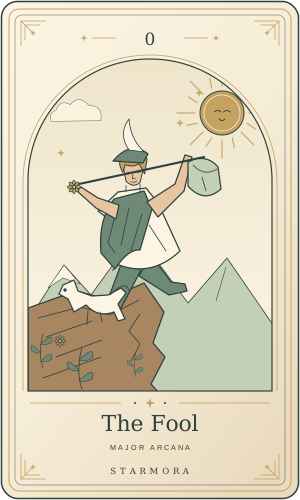 0The Foolbeginning · curiosity · experiment
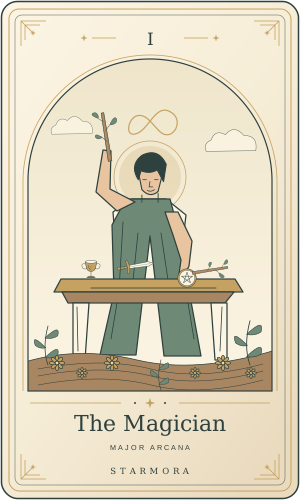 IThe Magicianskill · intention · action
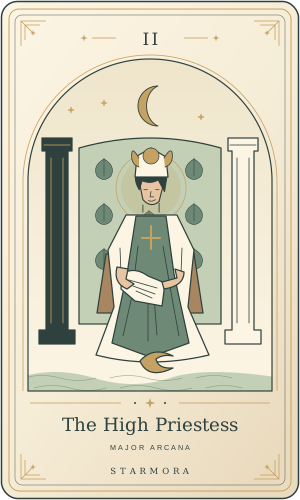 IIThe High Priestessquiet · observation · intuition
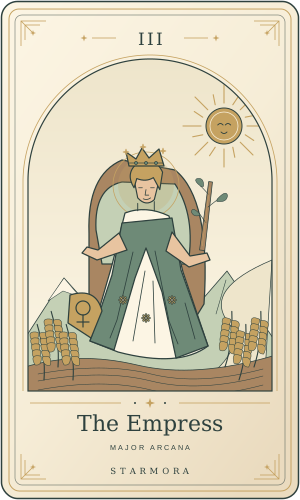 IIIThe Empresscare · creativity · growth
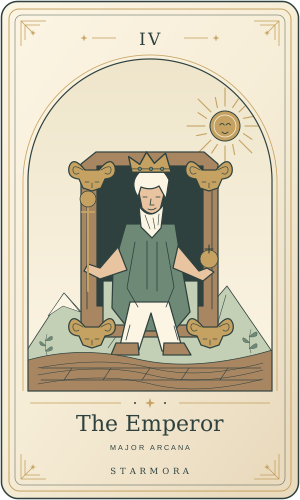 IVThe Emperorstructure · boundary · responsibility
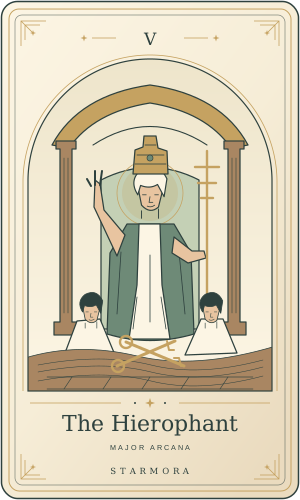 VThe Hierophantlearning · tradition · value
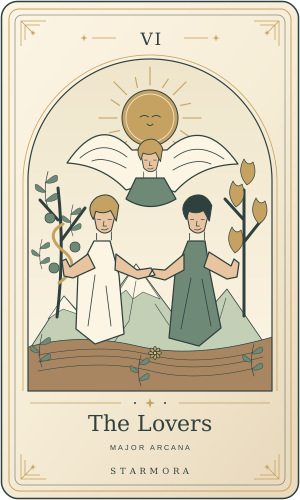 VIThe Loversrelationship · choice · alignment
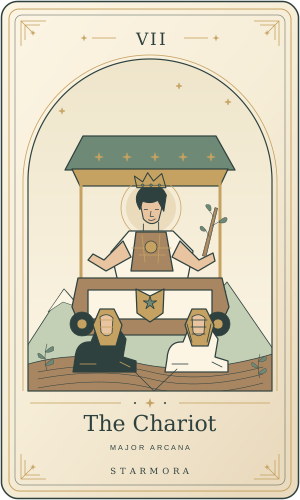 VIIThe Chariotdirection · resolve · progress
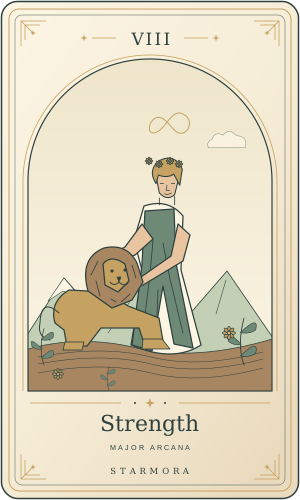 VIIIStrengthpatience · courage · compassion
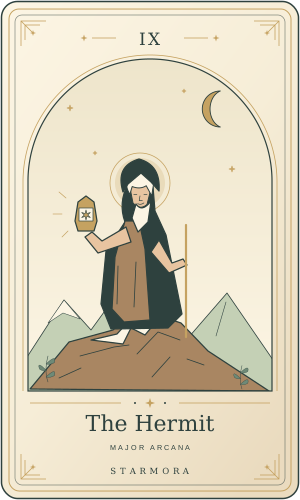 IXThe Hermitinsight · solitude · search
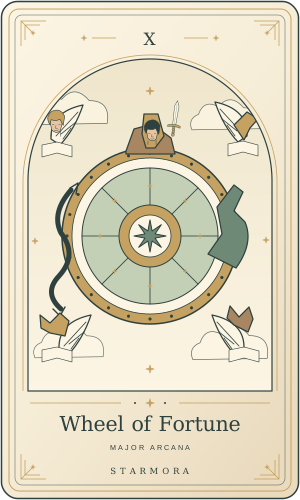 XWheel of Fortunecycle · change · adaptation
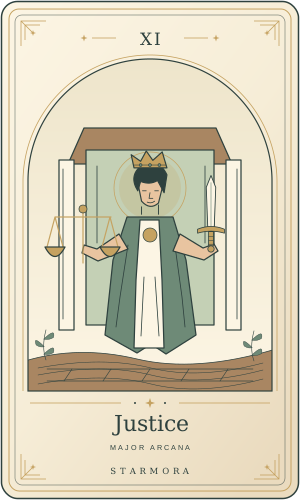 XIJusticebalance · criteria · honesty
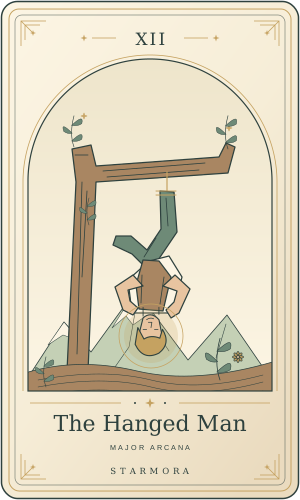 XIIThe Hanged Manpause · perspective · release
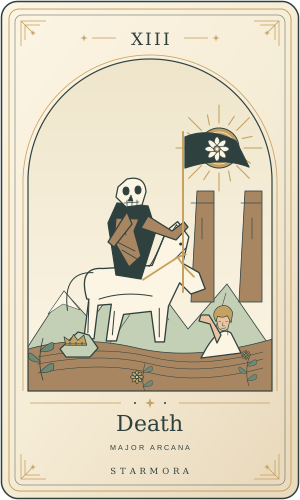 XIIIDeathcompletion · transition · space
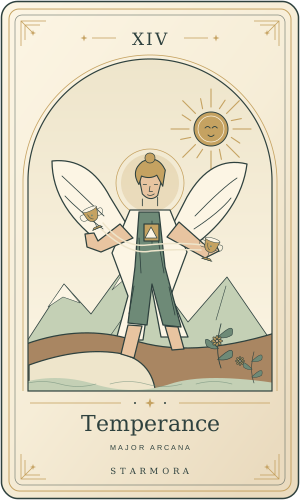 XIVTemperancemoderation · rhythm · patience
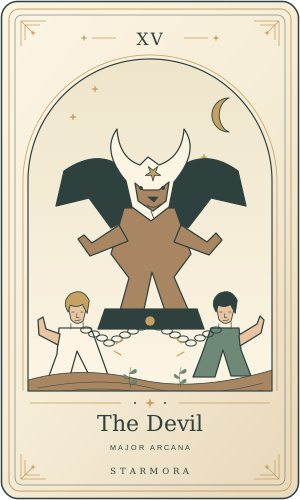 XVThe Devilhabit · attachment · freedom
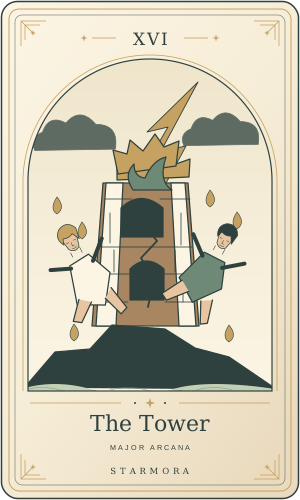 XVIThe Towerrealization · disruption · rebuilding
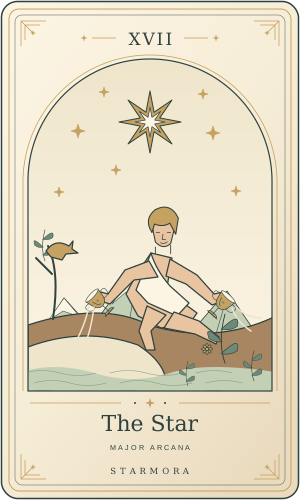 XVIIThe Starhope · care · renewal
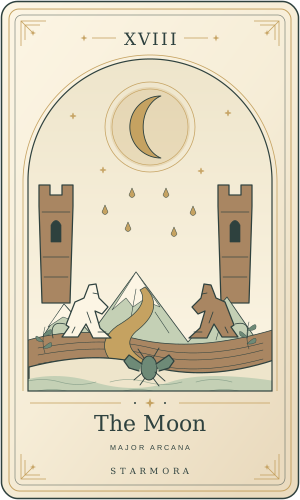 XVIIIThe Moonuncertainty · feeling · observation
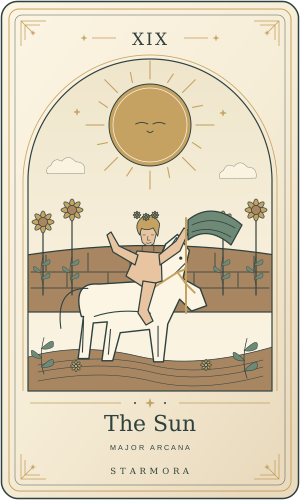 XIXThe Sunclarity · joy · visibility
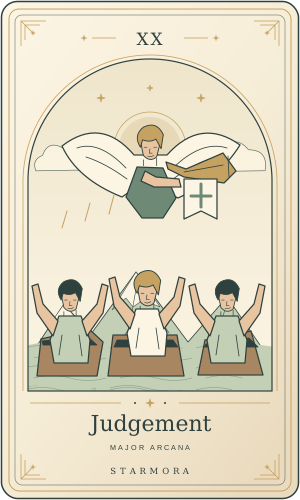 XXJudgementreview · awakening · choice
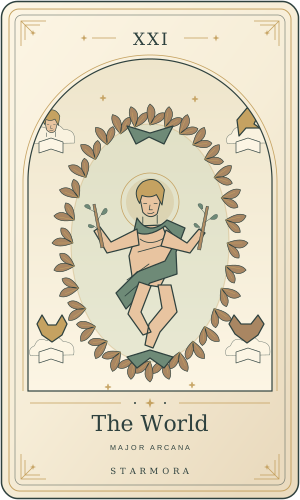 XXIThe Worldwholeness · completion · closure
Wands
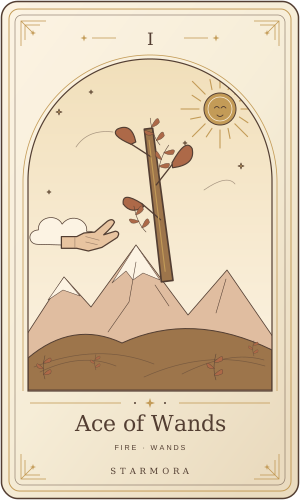 IAce of Wandscreative spark · beginning · enthusiasm
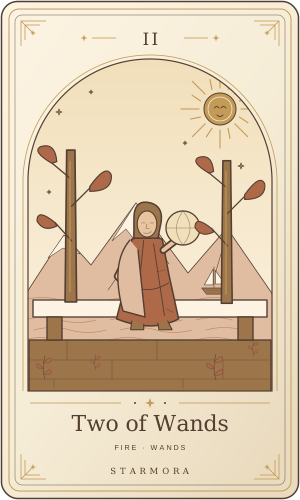 IITwo of Wandsdirection · horizon · planning
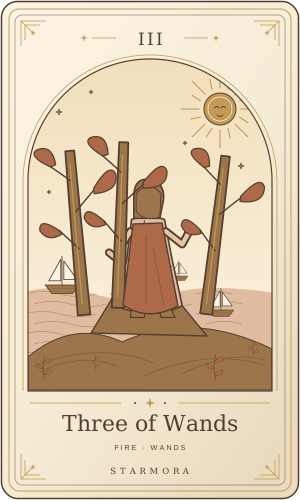 IIIThree of Wandsexpansion · partnership · waiting
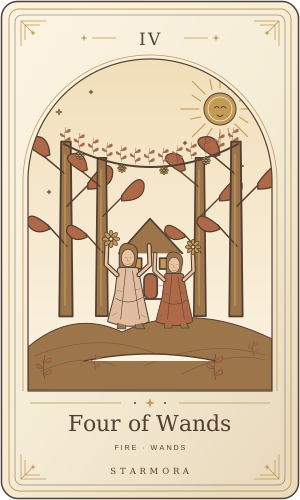 IVFour of Wandscelebration · belonging · milestone
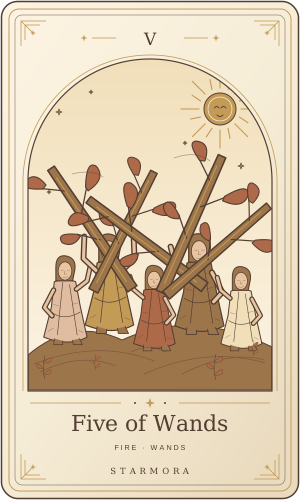 VFive of Wandscompetition · friction · different approaches
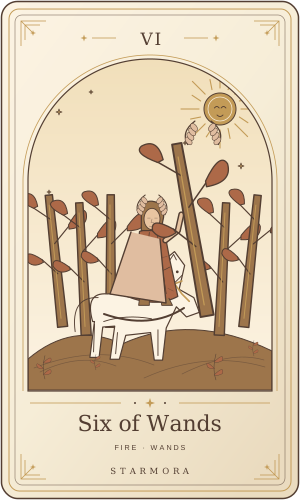 VISix of Wandsrecognition · visible achievement · contribution
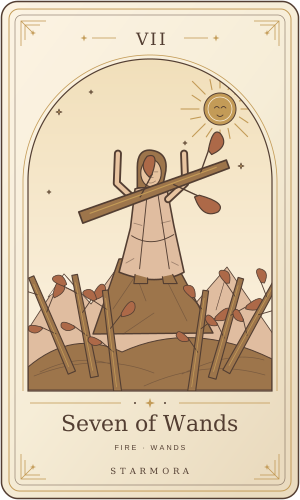 VIISeven of Wandsdefending a boundary · courage · challenge
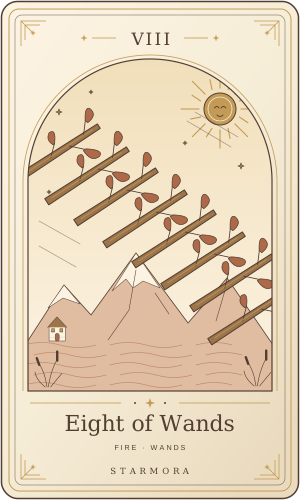 VIIIEight of Wandsspeed · messages · momentum
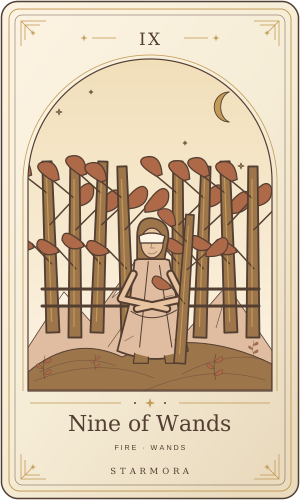 IXNine of Wandsendurance · caution · weary boundaries
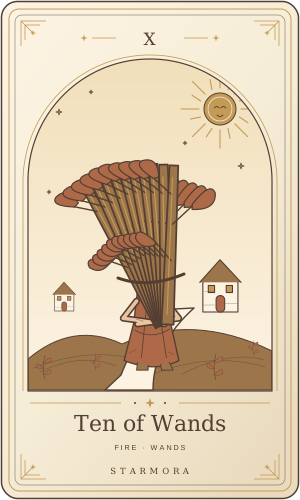 XTen of Wandsoverload · responsibility · delegation
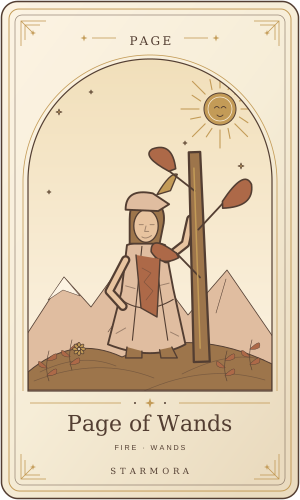 PAGEPage of Wandsbeginner's curiosity · news · exploration
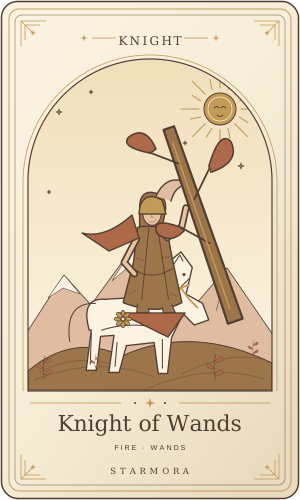 KNIGHTKnight of Wandsbold action · movement · haste
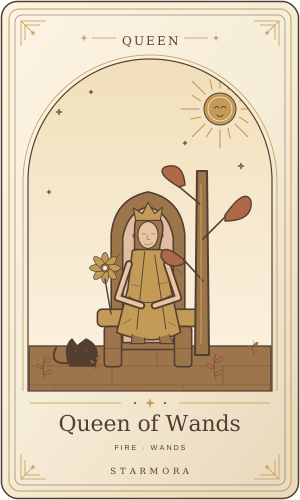 QUEENQueen of Wandswarm confidence · visibility · encouragement
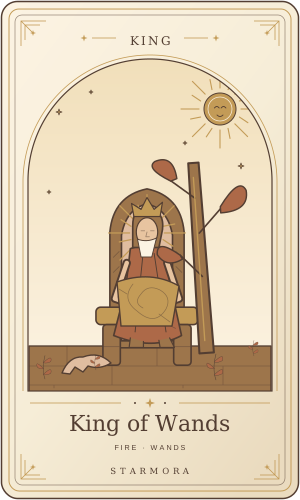 KINGKing of Wandsvision · enterprising leadership · accountability
Cups
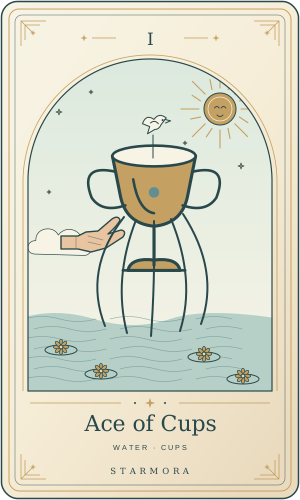 IAce of Cupsemotional openness · nourishment · new feeling
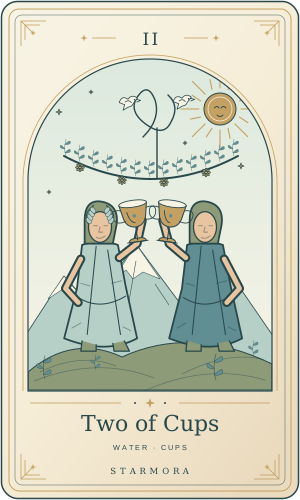 IITwo of Cupsreciprocity · connection · equal voice
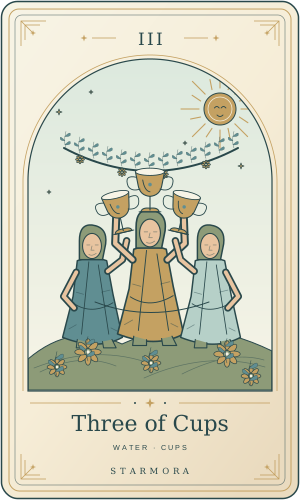 IIIThree of Cupsfriendship · shared joy · community
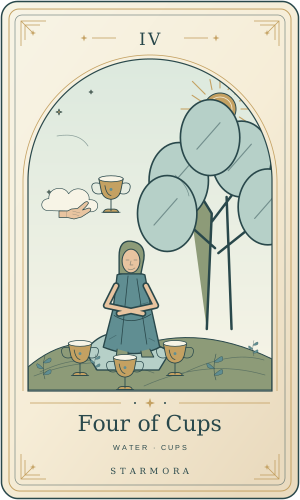 IVFour of Cupsweariness · dissatisfaction · overlooked offer
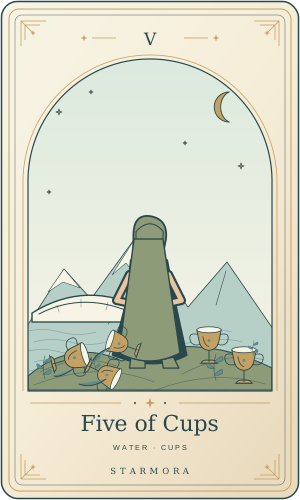 VFive of Cupsloss · disappointment · remaining support
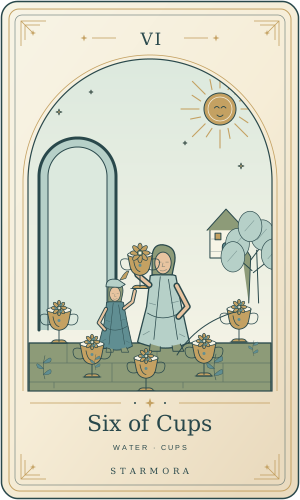 VISix of Cupsmemory · kind exchange · ties to the past
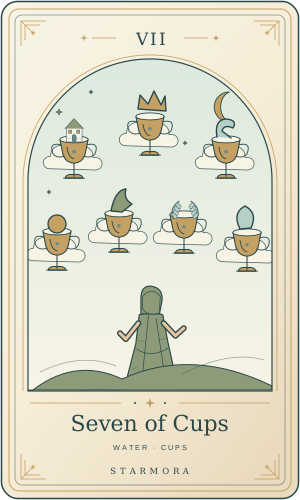 VIISeven of Cupspossibilities · imagination · discernment
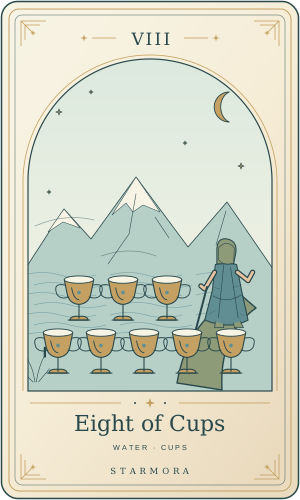 VIIIEight of Cupsleaving behind · search for meaning · departure
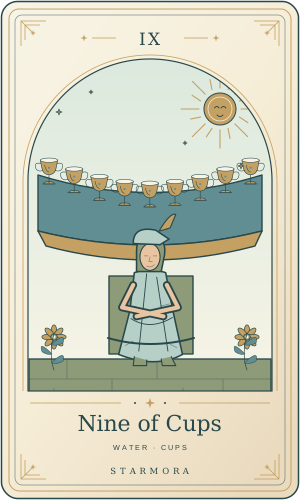 IXNine of Cupssatisfaction · enjoyment · fulfilled wish
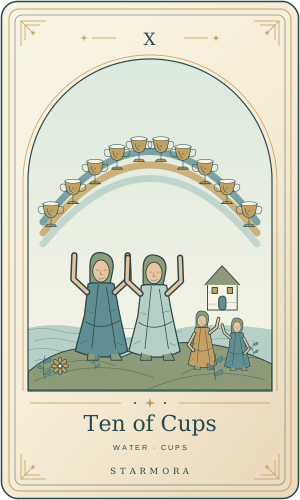 XTen of Cupsshared happiness · emotional security · common values
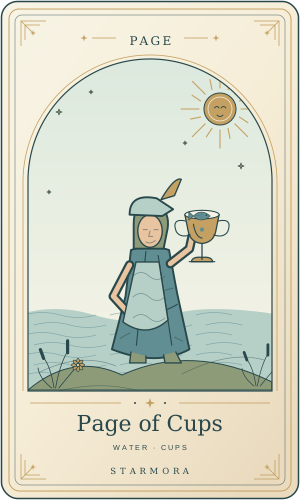 PAGEPage of Cupsemotional curiosity · gentle message · creative association
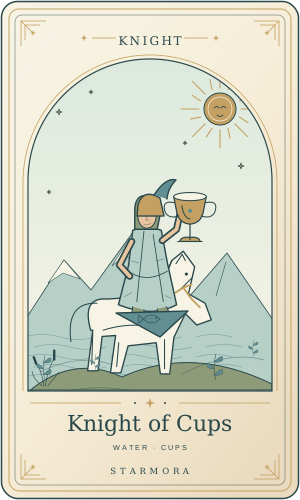 KNIGHTKnight of Cupsinvitation · emotional approach · ideal
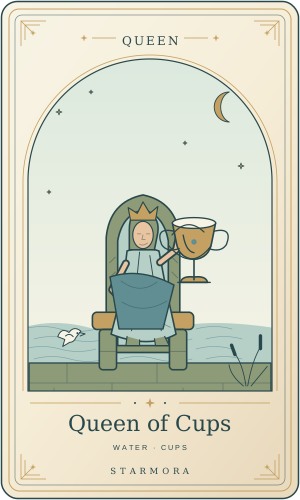 QUEENQueen of Cupscompassionate listening · emotional awareness · inner boundary
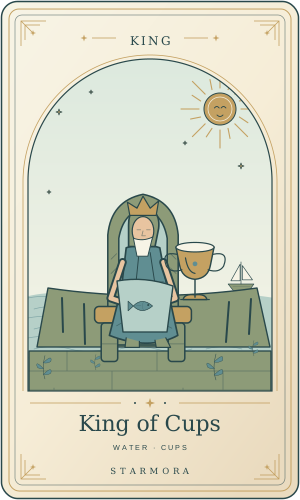 KINGKing of Cupsemotional steadiness · responsible expression · composure
Swords
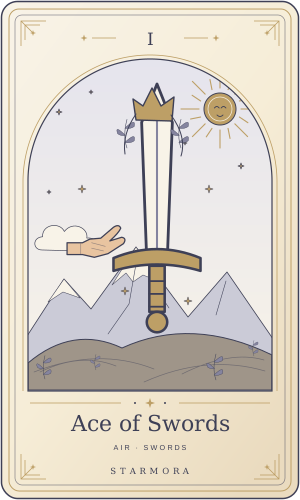 IAce of Swordsclarity · distinction · mental breakthrough
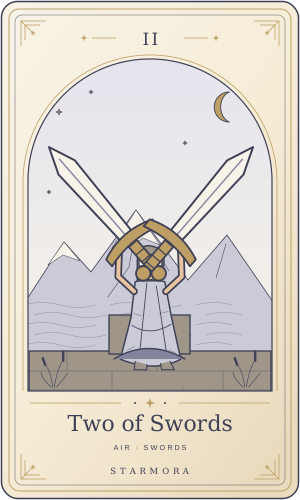 IITwo of Swordsstalemate · pending choice · avoided information
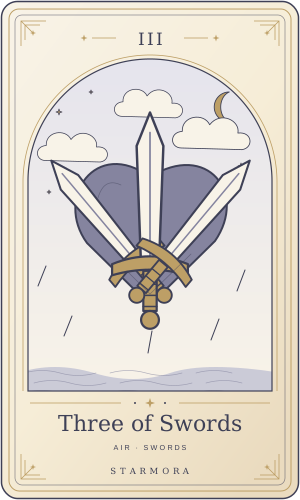 IIIThree of Swordshurt · separation · disappointment
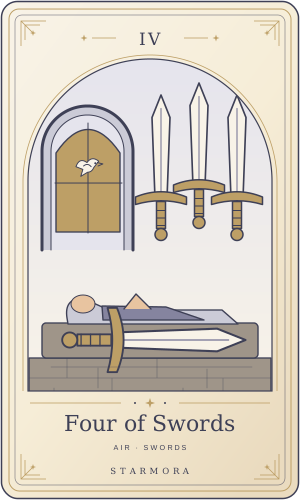 IVFour of Swordsmental rest · withdrawal · recovery
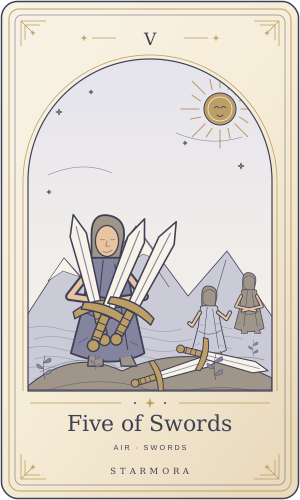 VFive of Swordscostly victory · conflict · relational harm
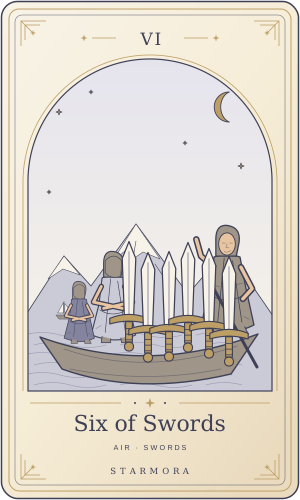 VISix of Swordstransition · moving away · supported passage
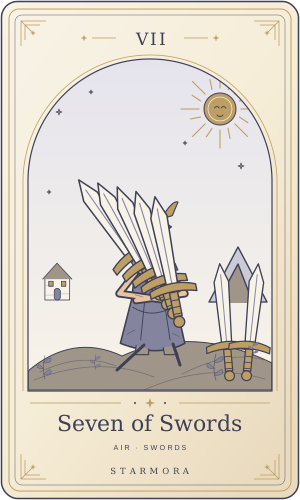 VIISeven of Swordsindirect strategy · withheld information · privacy
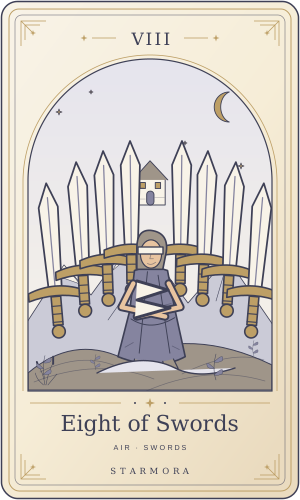 VIIIEight of Swordsrestriction · unseen options · assumption
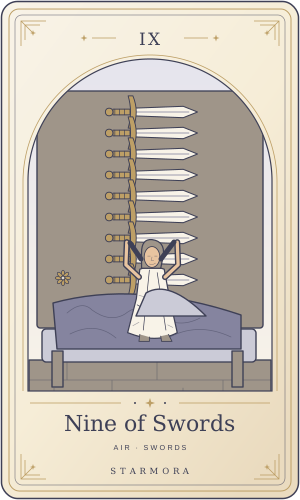 IXNine of Swordsanxious thoughts · regret · night-time worry
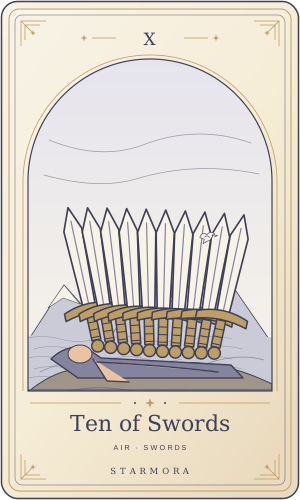 XTen of Swordspainful ending · exhausted process · need for recovery
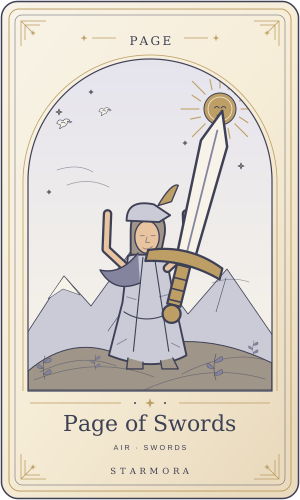 PAGEPage of Swordsinquiry · alert observation · questioning
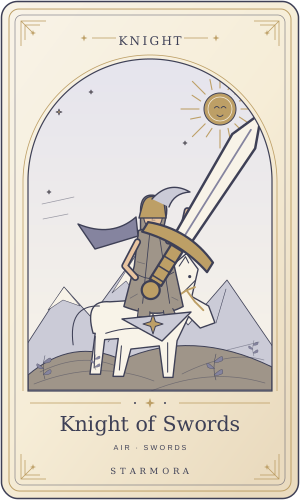 KNIGHTKnight of Swordsswift advocacy · determination · hasty thinking
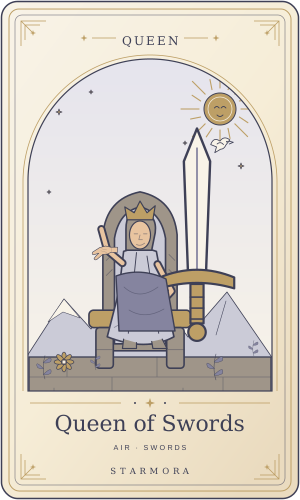 QUEENQueen of Swordsindependent voice · clear boundary · discernment through experience
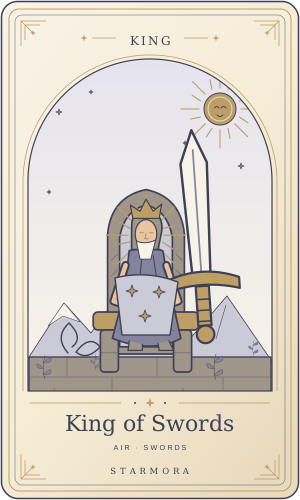 KINGKing of Swordsreasoned criteria · authority · justified decision
Pentacles
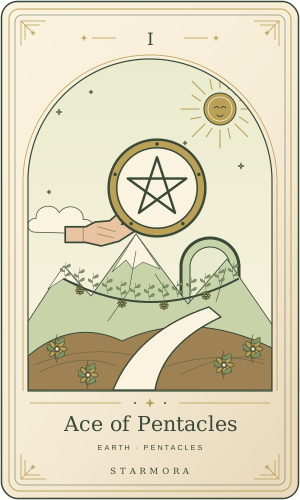 IAce of Pentaclestangible opportunity · resource · practical beginning
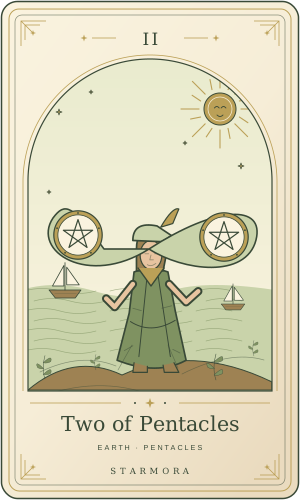 IITwo of Pentacleseveryday balance · time management · flexible priorities
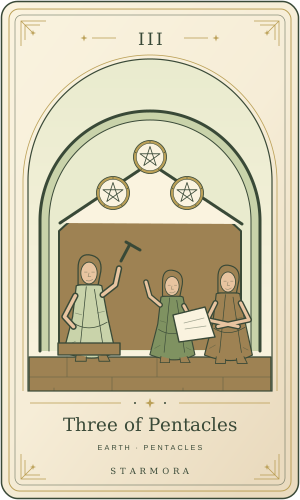 IIIThree of Pentaclesskilled collaboration · shared standards · learning through work
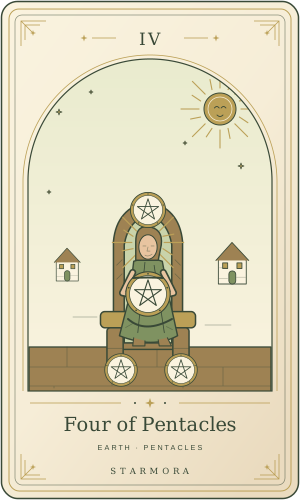 IVFour of Pentaclesholding resources · security · control
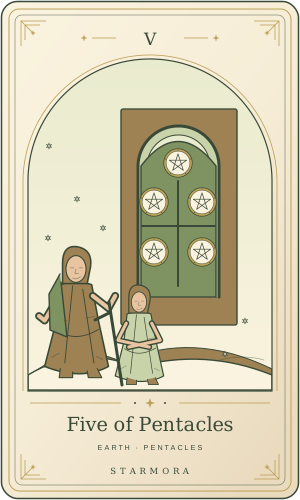 VFive of Pentaclesmaterial hardship · exclusion · need for help
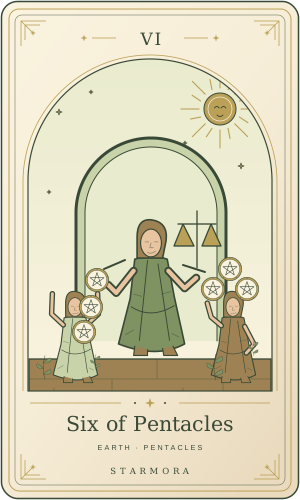 VISix of Pentaclesgiving and receiving · resource sharing · power balance
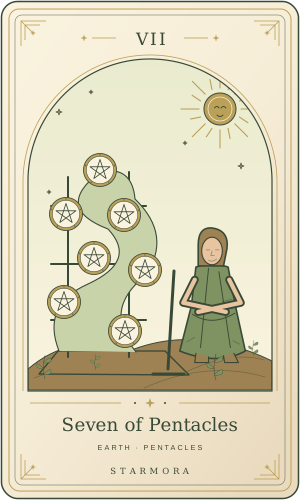 VIISeven of Pentaclesreviewing effort · patience · expected return
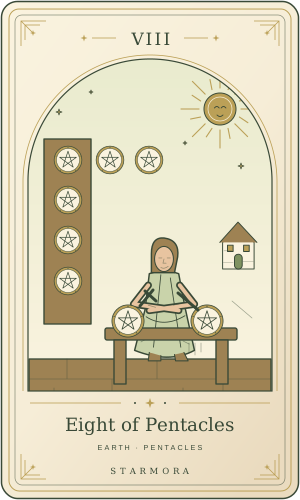 VIIIEight of Pentaclescraftsmanship · deliberate practice · skill
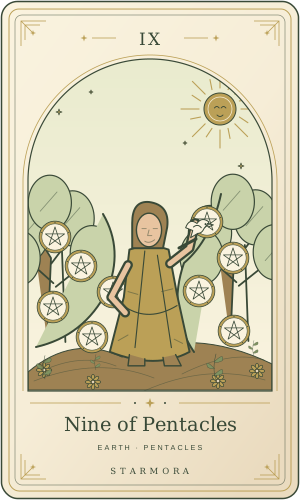 IXNine of Pentaclesautonomy · earned comfort · self-sufficiency
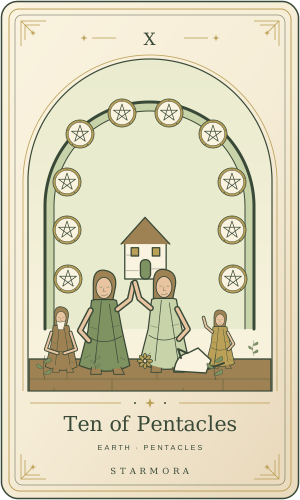 XTen of Pentacleslong-term security · inheritance · shared structure
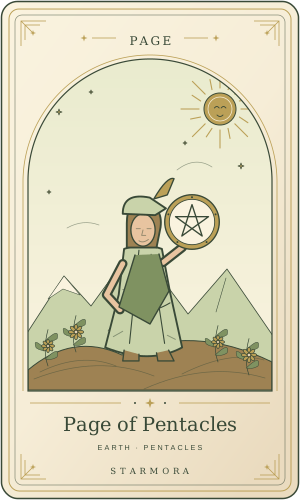 PAGEPage of Pentaclespractical learning · student's attention · tangible goal
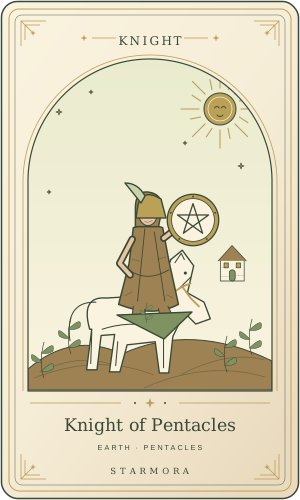 KNIGHTKnight of Pentaclesreliable follow-through · steady effort · routine
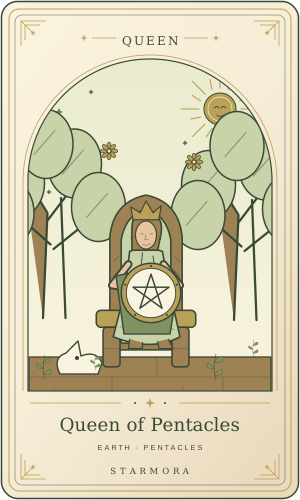 QUEENQueen of Pentaclespractical care · everyday comfort · resource stewardship
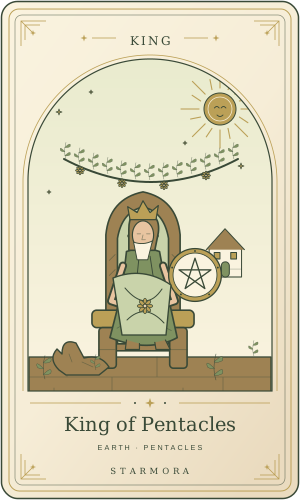 KINGKing of Pentaclesresource stewardship · reliable responsibility · sustainability
Sources and approach
The Metropolitan Museum source explains tarot history and deck structure. The reflection questions, upright and reversed examples and journaling suggestions follow Starmora's original reading approach. Evaluate the historical source and this local interpretation separately.